
3 Attachment Myths That Are Quietly Ruining Your Relationships (And What the Science Actually Says)
Dec 07, 2025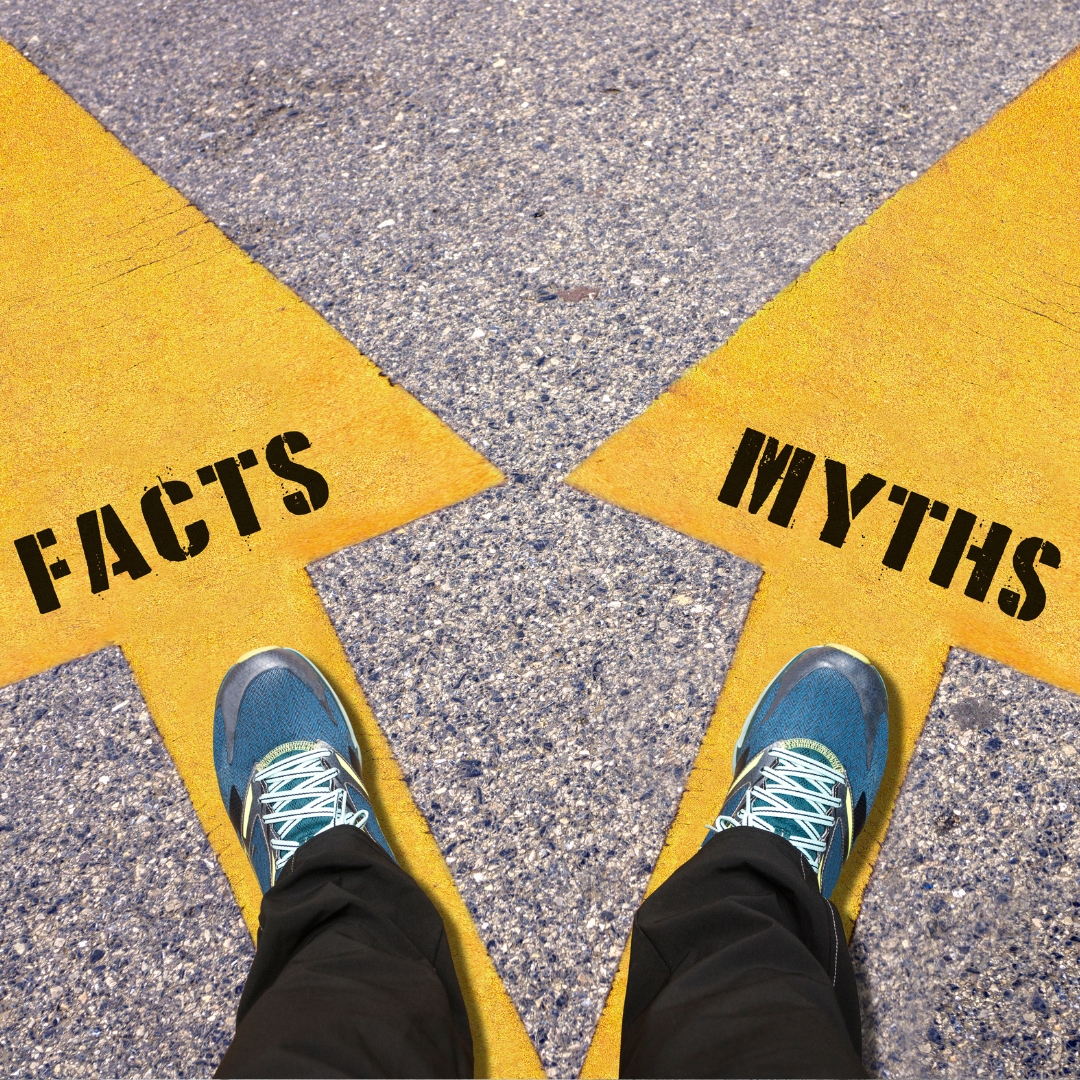
Think your attachment style is fixed?
That your childhood sealed your fate?
That only securely attached people get happy endings?
Wrong, wrong, and wrong.
As a psychologist, I’ve seen how the internet’s take on attachment subtly shapes how people see themselves, and more importantly, how they show up in love. And while attachment theory is one of the best frameworks we have for understanding relationships, some of the most popular messages online are also the most misleading.
Today, let’s bust three major myths and uncover what the science really says about your capacity for secure love
Myth #1: Your Childhood Determined Your Relationship Destiny
There’s no denying that early experiences matter. Abuse, neglect, and inconsistency leave real marks.
But the idea that your entire romantic future was sealed before puberty?
Simply not true.
Research shows that attachment styles change over time.
One major longitudinal study found that 1 in 4 adults shifted to a different attachment pattern within four years - without therapy or targeted intervention.
Even more encouraging?
Across many studies, adults naturally tend to become more secure with age.
So if your relationships feel messy, chaotic, or stuck, this is not evidence that you're doomed. It’s evidence that you’re human.
Change isn’t just possible.
It’s likely.
And it becomes even more powerful when you start getting intentional about the people, environments, and relational choices that support your growth
Myth #2: Your Attachment Style Can Be Neatly Categorised
You’ve seen the four classic labels:
-
Secure
-
Anxious
-
Dismissive-Avoidant
-
Fearful-Avoidant (Disorganised)
These can be helpful starting points, but they’re not your identity.
Real people don’t fit into tidy boxes. We shift. We adapt. We show up differently depending on context, stress, partner, history, and emotional safety.
Instead of seeing attachment as a fixed label, try seeing it as a strategy: a pattern you learned to protect connection or avoid pain.
Two dimensions shape these patterns:
-
How you see yourself (worthy or unworthy of love?)
-
How you see others (safe and reliable, or risky and unpredictable?)
Where you fall on these dimensions can shift across relationships and across time.
When you understand attachment this way, the question stops being:
“What is my attachment style?”
And becomes:
“What pattern am I using right now, and what would help me feel safer, steadier, or more open?”
That is where growth happens.
Myth #3: Attachment Style Is Something You “Have”
This might be the biggest misconception of all.
Attachment isn’t a trait.
It’s a pattern that emerges between two people.
Think of it as a dance.
One partner reaches for closeness → the other pulls away → the first becomes more anxious → the second withdraws further.
This isn’t “an anxious person” and “an avoidant person.”
This is a vulnerability cycle, a loop two people co-create.
And here’s the empowering part:
When even one person changes their steps,
the entire dance can shift.
Secure strategies, such as clear communication, warm boundaries, consistent follow-through, can transform anxious–avoidant dynamics from the inside out.
You don’t need to be perfectly secure.
You only need to be intentional
The Real Takeaway: Your Future Is Not Your Past
Attachment patterns aren’t destiny.
They’re habits: learned, practiced, and absolutely changeable.
And the right relationship won’t erase your past…
…but it can help you rewrite your future.
If you’re ready to explore your own attachment patterns more deeply, I’ve created a free downloadable workbook. Take your time with it. Let it help you clarify the strategies you use and the ones you might want to grow into:
Because secure love isn’t reserved for the lucky few.
It’s available to anyone who learns the steps.
And if you'd like to deep dive more into this with me, click here to check out this YouTube video.
SUBSCRIBE FOR NEWS & UPDATES
Enter your name and email address below to receive regular news and updates and free resources.
We hate SPAM. We will never sell your information, for any reason.
