
Stop Labelling Yourself: Why Attachment Isn’t a Box You Fit Into
Dec 12, 2025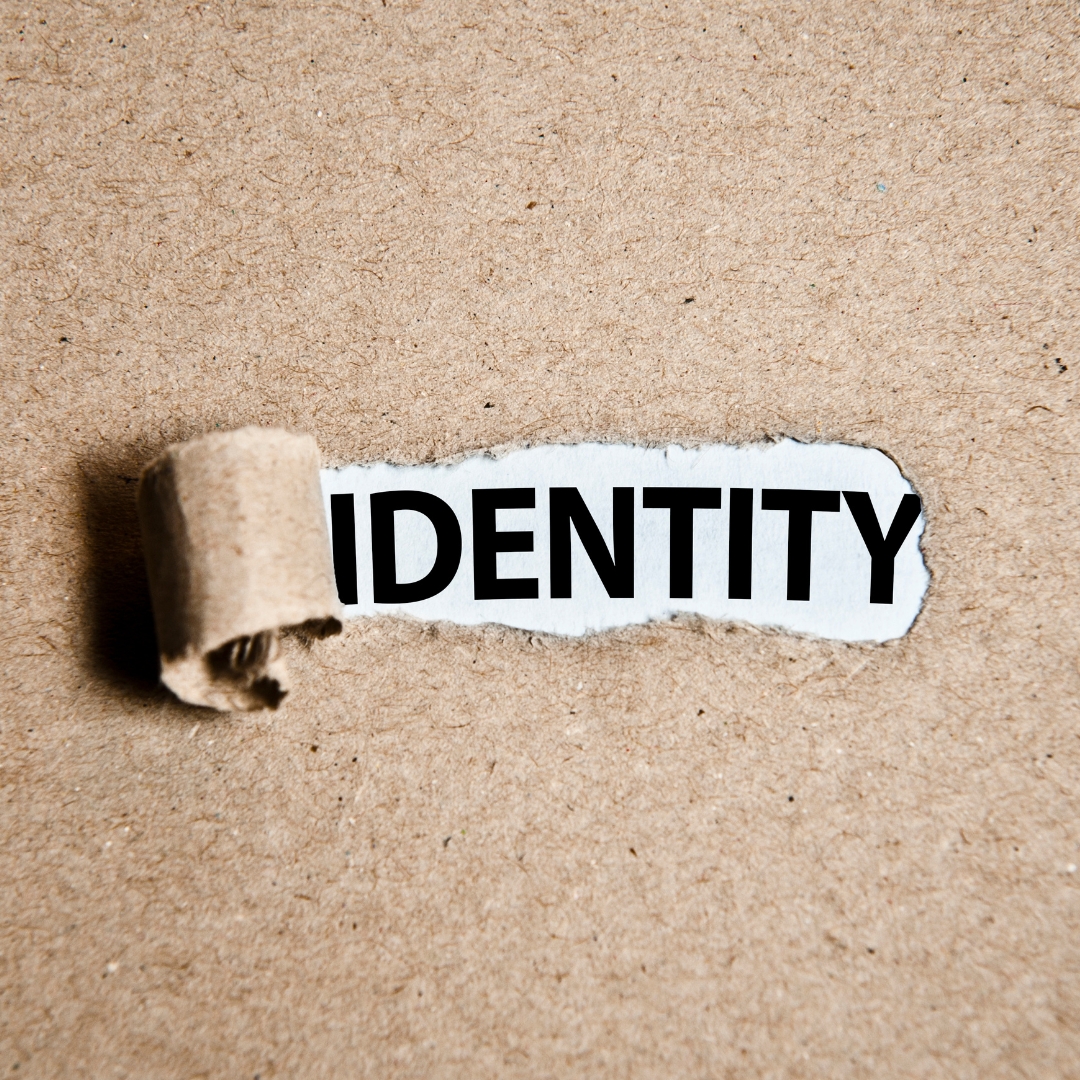 If you’ve spent any time on relationship TikTok or Instagram, you’ve probably seen a variation of this question:
“Which attachment style are you?”
Then comes the list:
-
Secure
-
Anxious
-
Avoidant
-
Disorganised
Find your box.
Wear it as an identity.
Use it to explain everything.
It’s neat, it’s clear, it’s satisfying.
It’s also… not very accurate.
As a psychologist, I want to offer a gentler, more nuanced way to think about attachment—one that leads not to self-diagnosis, but to self-understanding.
Attachment Isn’t a Label - It’s a Strategy
Most online content treats attachment categories like personality types. But attachment isn’t about who you are. It’s about the strategies you’ve learned for staying close, staying safe, or staying independent.
These strategies form across two key dimensions:
1. How You Relate to Yourself
Do you feel fundamentally worthy and lovable?
Or do you question your value when things get difficult?
2. How You Relate to Others
Do you expect people to be responsive and supportive?
Or do closeness and dependence feel threatening?
When you combine these dimensions, you get four common patterns.
But here’s the key:
Most people don’t fall neatly into just one.
You might be secure with friends, anxious with a particular partner, avoidant with a critical parent, and calm in new relationships but reactive in long-term ones.
This isn’t inconsistency.
This is context.
A Better Set of Questions
Instead of asking, “What is my attachment style?” try this:
-
How do I tend to react when I’m afraid of losing someone?
-
How do I behave when someone needs more from me than I feel able to give?
-
When have I felt most secure? What helped create that?
-
What strategies do I rely on too heavily: reassurance, distance, control, caretaking?
-
What strategies might I want to practice more?
Attachment becomes meaningful only when it becomes dynamic, not diagnostic.
Why This Matters for Your Relationships
When you see attachment styles as fixed categories, you’re more likely to:
-
Excuse harmful patterns (“I’m anxious, this is just what I do”)
-
Pathologise your partner (“They’re avoidant, it’ll always be this way”)
-
Feel trapped inside an identity that isn’t truly you
But when you see attachment as fluid, relational, and learnable, everything shifts.
You begin to realise:
-
You can outgrow old strategies
-
Different people bring out different sides of you
-
Secure connection is a skill, not a personality trait
And skills can be learned.
If You Want Change, Start With Compassion
Not every strategy you use is working for you now.
But it did work once.
It protected you, helped you survive, or kept you connected in the best way you knew how.
Your attachment patterns aren’t flaws.
They’re adaptations.
And with reflection, practice, and the right relational support, they can evolve.
Because you’re not a label.
You’re a story still unfolding.
Check out this YouTube video to debunk some more attachment myths
SUBSCRIBE FOR NEWS & UPDATES
Enter your name and email address below to receive regular news and updates and free resources.
We hate SPAM. We will never sell your information, for any reason.
